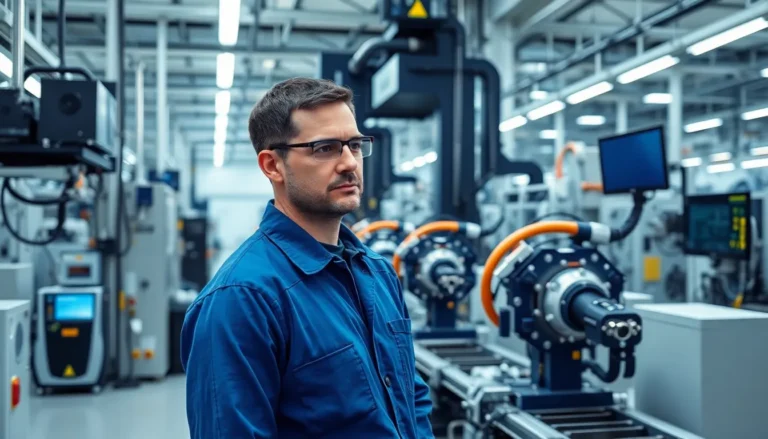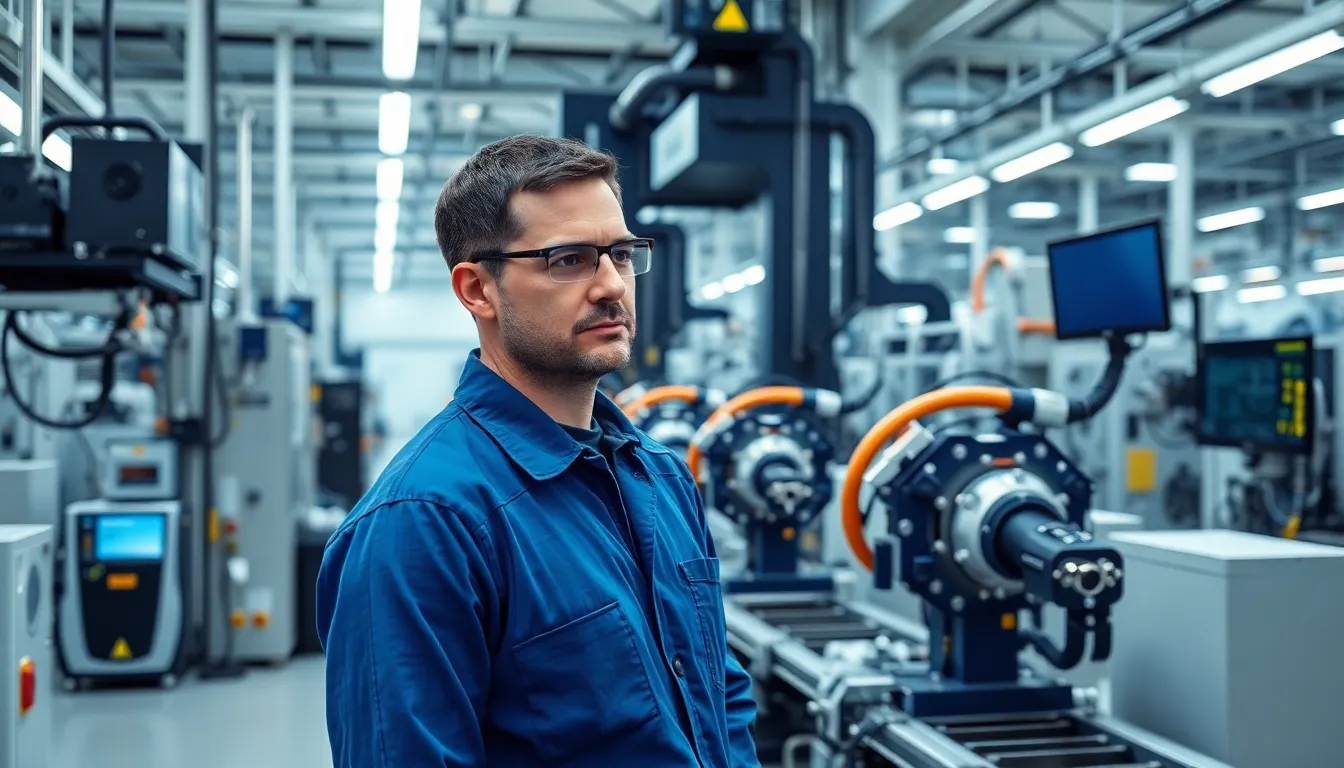
In a world where toasters can tweet and fridges can remind you of your grocery list, the Internet of Things (IoT) is revolutionizing the manufacturing landscape. Imagine a factory where machines chat with each other like old friends, sharing data and optimizing processes in real-time. It’s not just a futuristic fantasy; it’s happening now, and it’s reshaping how products are made.
Overview of Internet of Things in Manufacturing
Internet of Things (IoT) has become a pivotal element in modern manufacturing. Devices such as sensors, machines, and connected equipment work in unison to streamline production. Real-time data exchange between these devices enhances decision-making capabilities, leading to improved operational efficiency.
Capturing data from various sources, IoT enables manufacturers to predict equipment failures before they occur. This proactive maintenance approach minimizes downtime and reduces costs. From monitoring inventory levels to tracking supply chain movements, IoT applications provide critical insights that drive efficiency.
Additional benefits include increased flexibility in production processes. Smart manufacturing systems can adapt to changing demands swiftly, accommodating custom orders with reduced lead times. Manufacturers experience higher productivity levels since machines are equipped to communicate and self-optimize based on real-time feedback.
Implementing IoT solutions also enhances quality control. Data from the production line can identify defects or variations, empowering teams to address issues immediately. This capability results in superior product quality and greater customer satisfaction.
The integration of IoT in manufacturing fosters collaboration across departments. Through centralized data access, teams can share insights and work together more effectively. As a result, businesses become more agile and responsive to market fluctuations.
Ultimately, the Internet of Things represents a transformative shift in the manufacturing landscape. Organizations leveraging IoT technologies stand to gain a competitive edge, ensuring they adapt to the ever-evolving industrial environment.
Key Benefits of IoT in Manufacturing
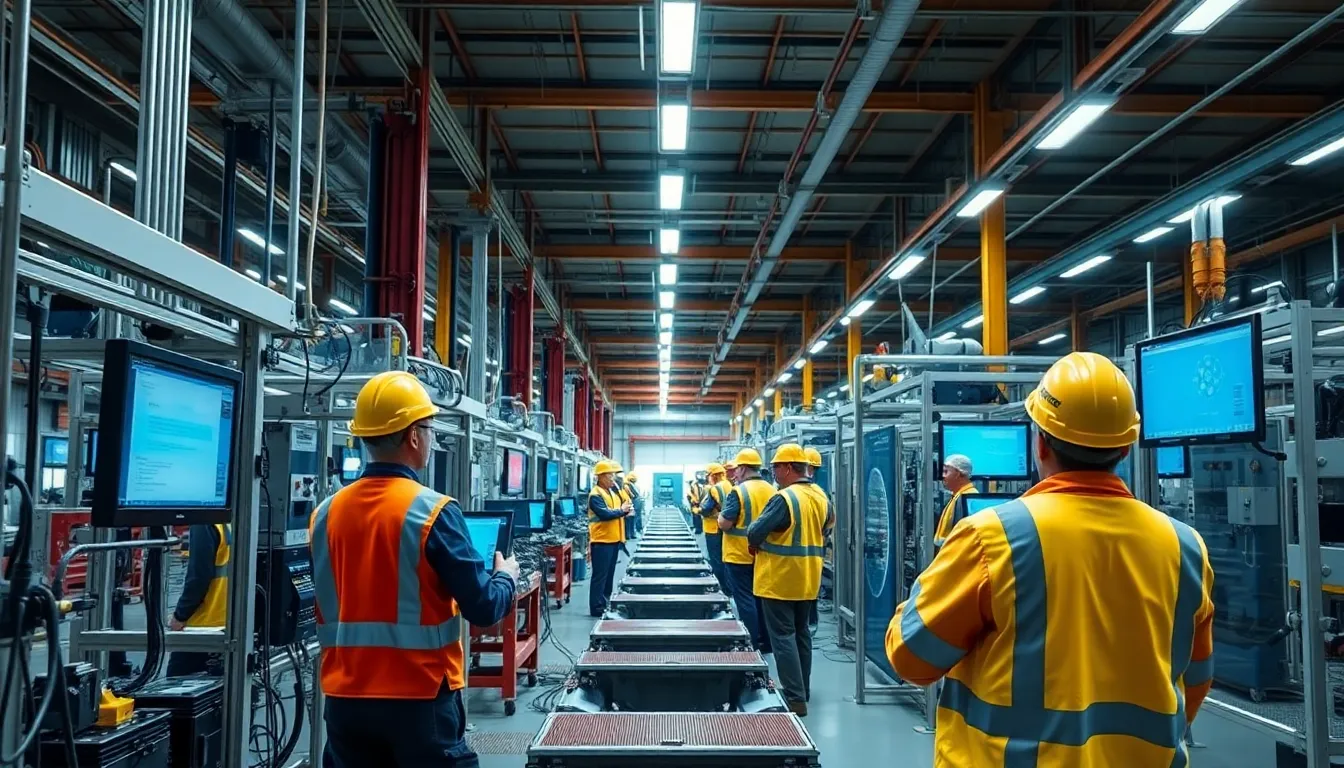
The Internet of Things (IoT) significantly enhances the manufacturing sector with various benefits, particularly in efficiency and data collection.
Increased Efficiency
IoT-driven systems vastly improve operational efficiency. By enabling real-time communication between machines, manufacturers can identify bottlenecks quickly. Automatic adjustments based on feedback lead to streamlined processes. For instance, predictive maintenance allows companies to service equipment before failures occur, reducing costly downtime. Data sharing facilitates synchronization across the entire production line, maximizing throughput. An impressive 20-30% increase in productivity is often observed in IoT-enabled facilities. Workers can focus more on strategic tasks instead of routine troubleshooting, further enhancing efficiency.
Enhanced Data Collection
Detailed data collection revolutionizes decision-making in manufacturing. With sensors deployed throughout operations, organizations gather real-time information about equipment performance and production rates. This wealth of data provides insights into areas for improvement and optimizes resource allocation. Manufacturers can track inventory levels precisely, preventing overstock and stockouts. Just-in-time production becomes achievable with accurate forecasting, cutting holding costs. A 40% reduction in waste frequently results from better data-driven strategies. Enhanced analytics lead to informed decisions, driving continuous improvements in manufacturing processes.
Challenges of Implementing IoT
Implementing IoT in manufacturing presents several challenges that organizations must navigate for successful integration.
Security Concerns
Security stands at the forefront of challenges in IoT implementation. Devices and networks face vulnerabilities that may expose sensitive data and disrupt operations. Cyberattacks targeting manufacturing systems can lead to significant financial losses and reputational damage. According to recent studies, 70% of manufacturers consider cybersecurity a vital concern when adopting IoT technologies. As interconnected devices increase, so do the entry points for potential breaches. Ensuring a robust security infrastructure is essential for protecting data integrity and maintaining operational continuity.
Integration Issues
Integration serves as another significant hurdle in implementing IoT within manufacturing environments. Different devices and systems may lack compatibility, complicating the establishment of seamless communication channels. For instance, legacy equipment might not easily connect with modern IoT platforms, requiring additional resources or upgrades. Approximately 60% of manufacturers face challenges when integrating new technology with existing infrastructure. Effective implementation requires thorough planning and strategic investment in compatible solutions. Furthermore, organizations need to address potential data silos that could arise from disparate systems, ensuring centralized access for informed decision-making.
Real-World Applications
The IoT significantly enhances various aspects of manufacturing through smart technologies and intuitive systems.
Smart Factories
Smart factories leverage IoT to create highly connected environments. Machines communicate seamlessly, allowing for real-time monitoring and control. These interconnected systems promote efficient use of resources and reduce waste. For instance, smart factories can adjust production schedules based on demand fluctuations. Enhanced adaptability leads to higher production rates and improved product quality. Many manufacturers report an increase in productivity by 20-30% due to these technological advancements. Various sensors track environmental factors, ensuring optimal conditions for production processes. Moreover, smart factories facilitate greater collaboration across teams by providing centralized access to real-time data.
Predictive Maintenance
Predictive maintenance revolutionizes equipment management in manufacturing. Sensors installed on machinery gather data regarding performance and condition. This real-time information allows manufacturers to anticipate equipment failures before they occur. As a result, unplanned downtime is minimized, leading to substantial cost savings. Many organizations experience a 40% reduction in waste due to optimizing maintenance schedules. Data analytics play a crucial role in this process, enabling decision-makers to prioritize interventions. Integrating predictive maintenance not only enhances operational efficiency but also extends equipment lifespan. Ultimately, this proactive approach elevates overall productivity and ensures smoother production flows.
Future Trends in IoT for Manufacturing
Emerging trends in IoT for manufacturing showcase significant advancements. Edge computing increasingly complements IoT, facilitating local data processing and reducing latency. Manufacturers embrace this shift, leading to faster decision-making and real-time responses.
Automation is set to gain momentum. Autonomous systems and robotics will likely take center stage, enhancing production line capabilities. These technologies enable manufacturers to optimize workflows, often resulting in a 20-30% increase in efficiency.
Sustainability remains a priority. IoT-driven solutions support energy management by allowing real-time tracking of resource consumption. Organizations leveraging these insights can reduce energy costs significantly, sometimes achieving a 40% decrease in waste.
Data analytics play a crucial role in advancing IoT applications. Predictive analytics continue to evolve, allowing manufacturers to forecast trends and maintain optimal inventory levels. This proactive approach reduces holding costs, enhancing overall supply chain management.
Cybersecurity must remain a fundamental consideration. As more devices connect, safeguarding against potential cyber threats becomes essential. Over 70% of manufacturers indicate that cybersecurity solutions should integrate with IoT frameworks for maximal protection.
Collaboration technologies are set to enhance communication among stakeholders. Centralized platforms enable various departments to access real-time insights, fostering cross-functional teamwork. Enhanced collaboration often results in quicker responses to market changes.
Scalability is another trend shaping the future of IoT in manufacturing. Scalable solutions allow manufacturers to grow their IoT systems seamlessly, accommodating evolving operational needs without sacrificing performance. Many organizations prioritize adaptability for long-term success.
Continuous innovation drives effective adoption strategies. Organizations regularly assess their technology needs, ensuring they remain competitive in a fast-paced environment. The ongoing evolution of IoT promises numerous advancements that will reshape the manufacturing landscape.
The Internet of Things is redefining the manufacturing landscape by fostering connectivity and enhancing operational efficiency. As manufacturers embrace smart technologies they unlock new levels of productivity and adaptability. Real-time data exchange not only streamlines processes but also empowers decision-making for improved resource management.
While challenges like security and integration persist the benefits of IoT far outweigh the hurdles. With ongoing advancements in automation and data analytics manufacturers are poised to stay competitive in a rapidly evolving market. The future of manufacturing is bright as IoT continues to transform how businesses operate and innovate.