
In a world where your fridge might just know more about your grocery habits than your best friend, the Internet of Things (IoT) is taking center stage. Imagine a reality where everything from your thermostat to your toaster is connected, sharing data like it’s gossip at a coffee shop. This isn’t just tech wizardry; it’s a game changer for monitoring and managing our daily lives.
Overview of Internet of Things Monitoring
Internet of Things (IoT) monitoring involves tracking and managing connected devices to enhance efficiency and decision-making. This approach provides insights into everyday activities, ranging from home automation to industrial processes.
Smart devices collect data continuously, enabling real-time analysis. For instance, temperature sensors in refrigerators help optimize food storage conditions, minimizing waste and ensuring freshness. Similarly, smart thermostats gather usage patterns, allowing users to adjust settings for energy efficiency.
IoT monitoring systems utilize various communication protocols. Common examples include Wi-Fi, Zigbee, and Bluetooth, enabling devices to connect seamlessly. These systems can integrate with cloud platforms, providing centralized data access and facilitating remote management.
Data analytics plays a crucial role in IoT monitoring. By processing information from multiple sources, organizations can identify trends and anomalies. Predictive analytics helps businesses anticipate equipment failures or maintenance needs, reducing downtime and costs.
Security remains a primary concern for IoT monitoring. Devices must incorporate robust security measures to protect sensitive data from cyber threats. Strong encryption and regular software updates serve as essential practices to ensure device integrity.
Applications of IoT monitoring extend across industries. In healthcare, for example, wearable sensors track vital signs, improving patient outcomes through timely interventions. In agriculture, IoT sensors monitor soil moisture levels, enabling precision farming techniques that increase yields while conserving resources.
Collectively, these advancements pave the way for smarter living environments. By harnessing the power of data, IoT monitoring enhances both individual lifestyles and broader operational efficiencies.
Key Technologies in Internet of Things Monitoring
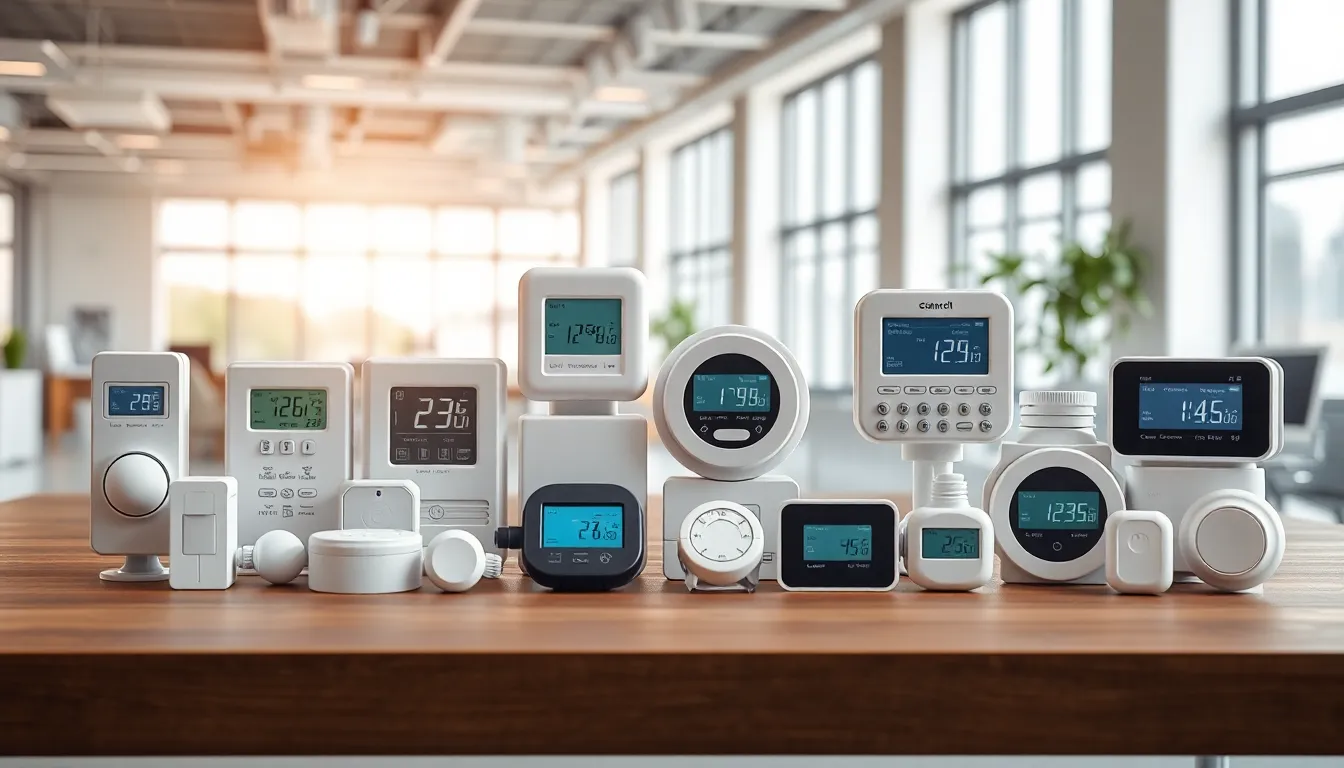
Key technologies drive the effectiveness of Internet of Things monitoring. They provide necessary tools for managing and optimizing interconnected devices.
Sensors and Devices
Sensors and devices play a crucial role in IoT monitoring. Temperature sensors track food freshness in refrigerators and motion sensors enable security cameras to activate when motion occurs. Smart meters measure energy consumption, helping users optimize their electricity use. These devices collect real-time data, which streamlines decision-making processes. Continuous advancements in sensor technology improve accuracy and responsiveness, ensuring reliable data for analysis. Robust devices work together to create cohesive networks that enhance monitoring capabilities.
Connectivity Solutions
Connectivity solutions enable seamless communication between IoT devices. Wi-Fi provides widespread coverage, allowing devices to connect to the internet for data transmission. Zigbee offers low-energy solutions, suitable for battery-operated devices like smart thermostats. Bluetooth facilitates short-range connections, often seen in wearable technology. Cellular networks provide connectivity over larger distances, ensuring remote devices maintain communication. Each solution serves specific use cases, supporting diverse applications within the IoT landscape. As networks evolve, increased reliability and bandwidth enhance the overall efficiency of IoT monitoring.
Applications of Internet of Things Monitoring
The applications of IoT monitoring span various sectors, driving innovation and efficiency.
Smart Homes
Smart homes utilize IoT monitoring to enhance convenience and security. Devices such as smart locks and surveillance cameras allow users to monitor their homes remotely. Temperature and lighting controls adjust automatically based on user preferences, creating a customizable living environment. Energy management systems track consumption, making it easier for homeowners to reduce costs. Sensors detect water leaks and smoke, alerting residents to potential hazards. Integration with voice assistants simplifies operation, enabling hands-free control of multiple devices. As connected appliances become more common, an interconnected ecosystem emerges, significantly improving daily life.
Industrial Automation
Industrial automation leverages IoT monitoring to streamline operations and increase productivity. Sensors installed on machinery gather performance data for analysis, leading to predictive maintenance strategies. These strategies minimize downtime and extend equipment lifespan. Real-time tracking of inventory levels ensures optimal supply chain management, supporting just-in-time manufacturing processes. Environmental monitoring systems help maintain ideal operating conditions, enhancing worker safety. Data collected from various sources informs decision-making, enabling organizations to implement data-driven strategies. Increased connectivity between devices fosters collaboration, resulting in improved operational efficiencies across industries.
Benefits of Internet of Things Monitoring
IoT monitoring offers significant advantages that enhance daily operations and improve quality of life.
Enhanced Efficiency
Efficiency increases through real-time data collection and analysis. Smart devices, such as temperature sensors and energy monitors, optimize operations by identifying patterns. Organizations can proactively address issues, reducing downtime in industrial settings. Homeowners benefit from energy management systems that track consumption and suggest reductions in usage. Each connected device contributes valuable insights for better decision-making, maximizing resource utilization. Ultimately, a network of interconnected devices streamlines workflows and saves time.
Improved Security
Security enhancements result from continuous monitoring of connected devices. Smart surveillance cameras and motion detectors actively safeguard homes and businesses. Alerts via mobile apps ensure users remain informed about potential threats in real-time. Additionally, smart locks provide secure access control, minimizing unauthorized entry. Robust encryption techniques protect sensitive data from cyber threats. Effective IoT monitoring systems incorporate these security measures, bolstering confidence in the reliability of smart environments. Enhanced safety features add another layer of protection in everyday life.
Challenges in Internet of Things Monitoring
Monitoring devices in the Internet of Things (IoT) presents various challenges that impact effectiveness and usability.
Data Privacy Concerns
Data privacy remains a significant issue in IoT monitoring. Many devices continuously collect sensitive user information, such as location and usage patterns. Unauthorized access to this data can lead to serious breaches of privacy. Strong encryption methods are essential to safeguard data during transmission and storage. Users often lack awareness of how their information is utilized. Organizations must ensure transparency regarding data collection practices and users’ rights. Compliance with regulations like GDPR and CCPA is crucial for maintaining trust. Companies should also conduct regular audits to identify vulnerabilities and improve security frameworks.
Integration Issues
Integrating IoT devices poses another challenge. Diverse device manufacturers often lead to compatibility problems between systems. Standards vary, creating obstacles in seamless communication across devices. Organizations must invest in middleware solutions that facilitate integration. Also, legacy systems may not support new technology, limiting overall functionality. Complexities arise when trying to connect various protocols, such as Zigbee and Wi-Fi. Ensuring all devices work together cohesively is vital for a fully operational IoT ecosystem. Effective collaboration among manufacturers and stakeholders can pave the way for better integration strategies.
The Internet of Things monitoring represents a pivotal shift in how individuals and organizations interact with their environments. By leveraging real-time data from interconnected devices, users can optimize daily routines and enhance operational efficiencies across various sectors.
As technology continues to evolve, the potential for smarter living and working spaces expands, offering unprecedented convenience and security. However, addressing privacy concerns and integration challenges remains crucial for fostering user trust and ensuring seamless connectivity.
With ongoing advancements in IoT monitoring, the future promises even greater innovations that will drive efficiency and improve quality of life. Embracing these technologies can lead to a more connected and responsive world.