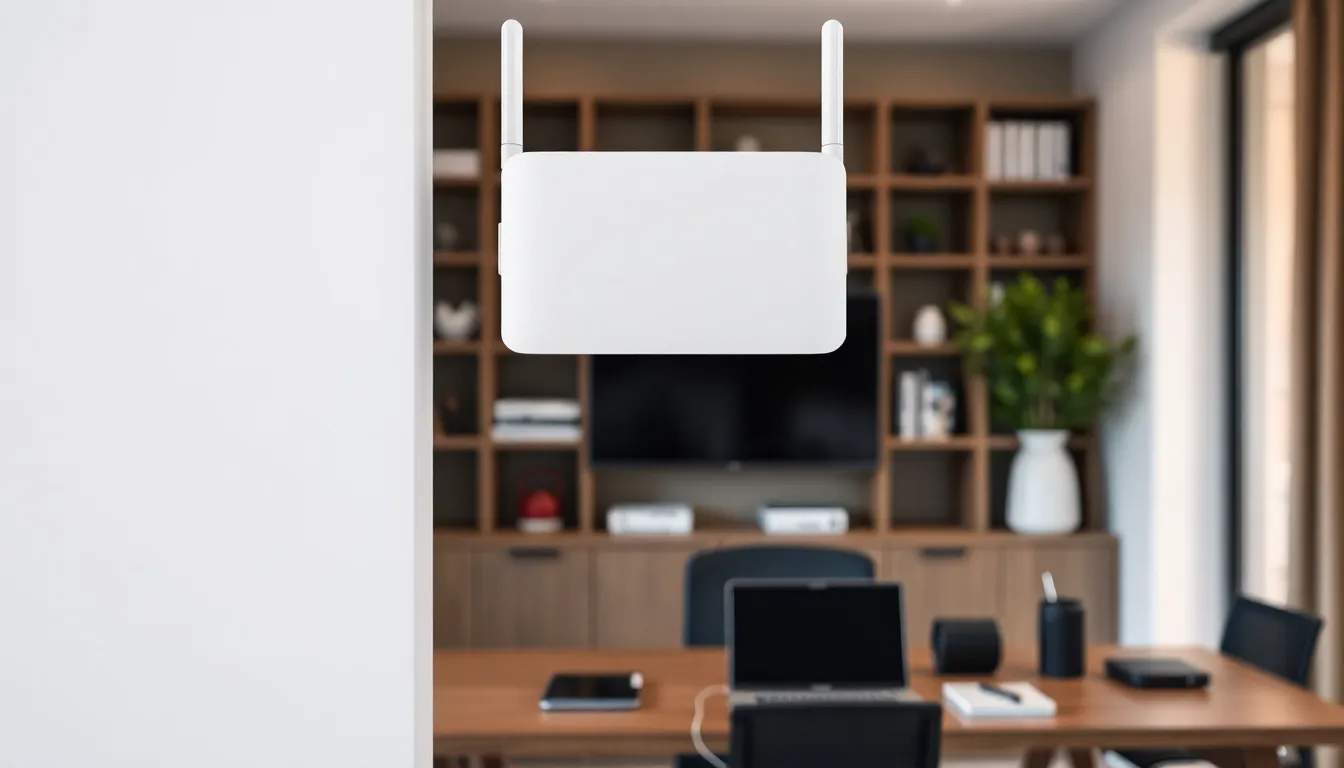
In a world where Wi-Fi is as essential as air, a wireless access point is your trusty sidekick. Picture this: you’re lounging on the couch, scrolling through cat memes, and suddenly, your connection drops. Nightmare, right? That’s where a wireless access point swoops in like a superhero, boosting your Wi-Fi signal and ensuring you stay connected to all the digital wonders (and cat videos) the internet has to offer.
Overview of Wireless Access Points
Wireless access points (WAPs) play a crucial role in modern networking, acting as a bridge between wired networks and wireless devices. These devices facilitate seamless communication by extending the range of a network, ensuring consistent connectivity and reliable performance.
Users benefit from WAPs by enjoying stronger Wi-Fi signals throughout their environments. Coverage areas can expand significantly with the strategic placement of multiple access points. Enhanced signal strength translates to improved online experiences, whether streaming videos, gaming, or working from home.
Security features remain an essential aspect of wireless access points. Most WAPs support advanced encryption methods like WPA3, protecting sensitive information from unauthorized access. Implementing these security measures is vital for maintaining data integrity in both personal and professional settings.
Variety exists among wireless access points, catering to different needs and environments. Small home networks often use consumer-grade WAPs, while larger enterprises opt for robust commercial solutions. Multiple frequency bands, such as 2.4 GHz and 5 GHz, also provide flexibility, allowing devices to connect at optimal speeds.
Monitoring tools integrated within many wireless access points enhance network management. These tools help administrators track performance, manage connected devices, and troubleshoot issues efficiently. Some models even offer centralized management capabilities for streamlined oversight across multiple locations.
Selecting the right wireless access point depends on specific requirements and usage scenarios. Considering factors like coverage area, network demands, and device capacity ensures optimal performance. WAPs contribute significantly to a user’s ability to stay connected, making them indispensable in today’s digital landscape.
Types of Wireless Access Points
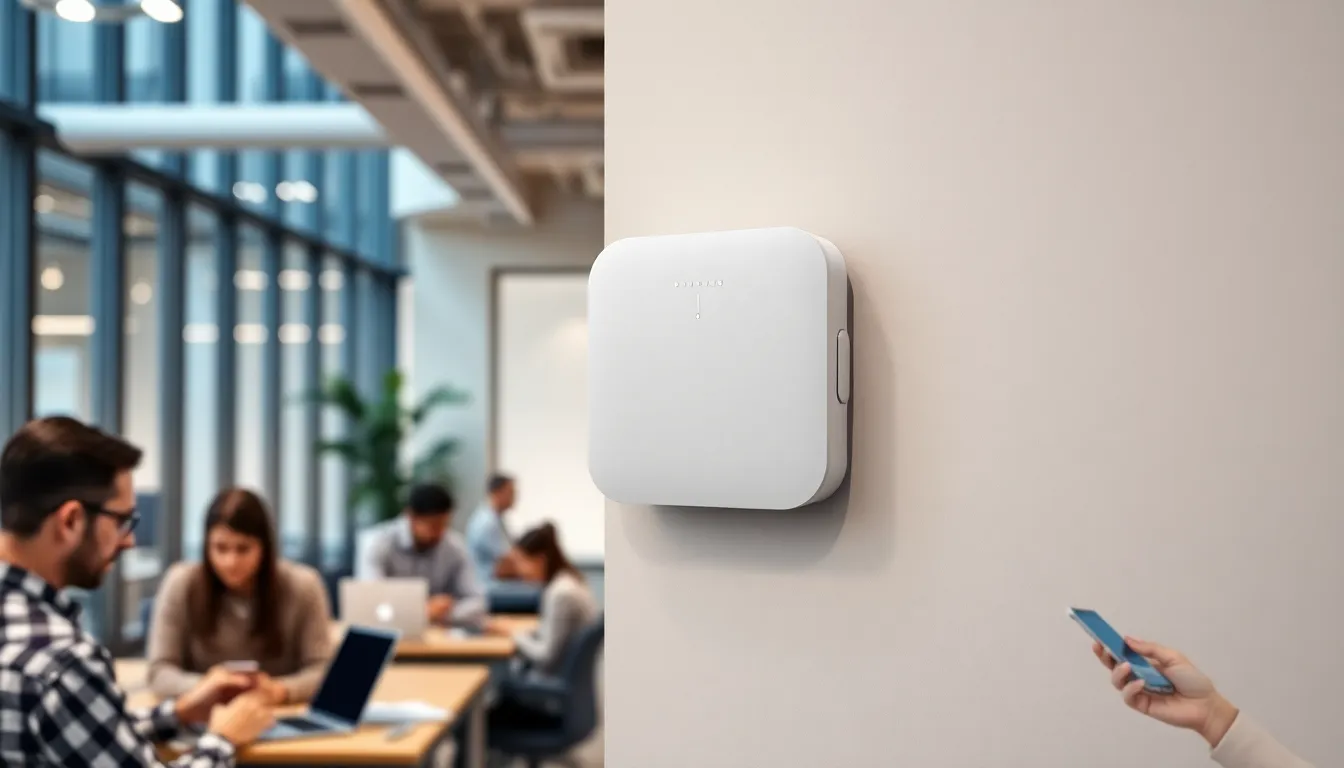
Different types of wireless access points accommodate various needs and environments. Understanding these options helps users choose the most suitable device for their situations.
Indoor Wireless Access Points
Indoor wireless access points focus on providing reliable connectivity for smaller spaces like homes or offices. Due to their design, these WAPs typically operate best within a confined area, offering strong signals for devices such as laptops or smartphones. Features often include dual-band frequencies, enabling operation on both 2.4 GHz and 5 GHz bands, minimizing interference. Many models come equipped with advanced security protocols like WPA3, ensuring a safe connection for all users. Their compact designs facilitate easy placement in high-traffic areas, seamlessly blending into the indoor environment.
Outdoor Wireless Access Points
Outdoor wireless access points cater to expansive areas needing coverage, such as parks or stadiums. Robust enclosures protect these devices against weather elements, ensuring continuous operation outdoors. Higher power outputs enable them to transmit signals over longer distances, effectively serving multiple users in open environments. Some outdoor models incorporate specialized antennas to strengthen coverage and optimize performance. Many also feature remote management capabilities, which provide administrators with control over network settings and access monitoring, enhancing the user experience across vast outdoor settings.
Key Features to Consider
When selecting a wireless access point, specific features play a critical role in performance and suitability. Evaluating range, coverage, speed, and capacity ensures that the chosen device meets user needs.
Range and Coverage
Range and coverage determine how effectively a WAP extends its signal. Users require a device that can adequately cover the desired area, especially for larger homes or commercial spaces. High-quality access points typically support dual-band frequencies, which enhance range and reduce interference. Indoor models excel in providing reliable connectivity for small to medium-sized areas. Outdoor units offer increased power output and specialized antennas, ensuring signals reach lengthy distances and wider spaces. Assessing the environment helps identify the most effective placement for optimal coverage.
Speed and Capacity
Speed and capacity contribute directly to network performance. Users should consider WAPs with advanced Wi-Fi standards, such as Wi-Fi 6, which supports higher data rates and increased device capacity. Devices need to accommodate multiple connections, especially in busy households or offices. Prioritizing WAPs with quality-of-service (QoS) features ensures that high-bandwidth activities like streaming and gaming receive adequate resources. Monitoring capacity helps identify potential bottlenecks, allowing for adjustments if networks experience congestion. Choosing the right combination of speed and capacity leads to an enhanced online experience.
Installation and Setup
Installing and setting up a wireless access point requires careful planning to achieve optimal performance. Following a structured approach helps ensure a seamless network experience.
Location Selection
Choosing the right location for a wireless access point significantly impacts signal strength. Start by placing WAPs in central areas within the coverage zone. Avoid hiding them behind furniture or inside cabinets since obstructions weaken signals. A height of at least 6 to 8 feet enhances broadcast capabilities. Use tools like Wi-Fi analyzers to identify coverage gaps and adjust the placement accordingly. Ensuring that multiple access points are strategically positioned can eliminate dead zones and provide seamless connectivity for all devices.
Configuration Process
Configuring a wireless access point involves several essential steps for optimal operation. Begin by connecting the WAP to the router using an Ethernet cable. Utilize the access point’s web interface for setup, and access it through a specified IP address. Adjust the SSID to a recognizable name for easy identification, and set up security protocols such as WPA3 for enhanced protection. It’s crucial to select a suitable channel to minimize interference from neighboring networks. After completing these settings, save the configurations and reboot the device to apply changes, establishing a reliable and secure wireless network.
Advantages of Using Wireless Access Points
Wireless access points (WAPs) offer several benefits that enhance connectivity and online experiences. Increased coverage significantly improves the Wi-Fi signal in larger areas, ensuring users stay connected throughout their homes or offices. Users can enjoy uninterrupted activities like streaming and gaming due to the enhanced signal strength provided by strategically placed access points.
Multiple WAPs can work together to create a unified network, expanding coverage and reducing dead zones. Enhanced security features further protect sensitive data, as many WAPs support WPA3 encryption, safeguarding user information against threats. Ease of management is another advantage; integrated monitoring tools allow administrators to track performance and quickly address issues.
WAPs cater to different needs, making them versatile choices for various environments. Indoor models excel in smaller spaces, while outdoor alternatives cover larger distances with higher power output and specialized antennas. These distinctions allow users to select WAPs that best fit their unique requirements.
Increased speed comes with advanced Wi-Fi standards like Wi-Fi 6. This technology supports faster data rates and higher device connections, making it ideal for households or offices with multiple users. Prioritizing access points equipped with quality-of-service (QoS) features can optimize bandwidth allocation, improving the user experience during high-demand activities.
Ultimately, wireless access points enhance both personal and professional environments through their improved connections, security, and management features. Choosing the right WAP leads to better network performance, making them essential in modern digital landscapes.
Wireless access points play a vital role in ensuring seamless connectivity in today’s digital age. By extending network range and enhancing signal strength, they enable users to stay connected without interruptions. The right WAP can significantly improve online experiences whether for gaming streaming or remote work.
With a variety of options available users can choose models tailored to their specific needs. From indoor solutions for homes to outdoor units for larger areas WAPs offer flexibility and reliability. Prioritizing features like security and performance ensures a robust network capable of handling multiple devices.
Investing in a quality wireless access point is essential for anyone looking to optimize their internet experience. As technology continues to evolve WAPs remain a cornerstone of effective network management and connectivity.